
This questionnaire will summarize your specific allergy symptoms to share with your healthcare provider and learn more about your testing options. However, only two of the 68 participants have a medically diagnosed allergy. This figure represents people whose symptoms are traceable to what the manufacturers made the product from and its production process, not the alcohol itself. Just as grapes can become wine, table fruit that becomes too ripe might contain enough alcohol to cause a reaction in someone with an alcohol allergy. Some signs of anaphylaxis include swelling, itching, tightening of the throat and mouth, a weak or rapid pulse, fainting, shock, and loss of consciousness. These range from heart and liver damage to a greater risk of certain cancers.
Why does my nose get stuffy when I drink alcohol?
Allergy tests such as skin prick or blood tests may also be conducted to identify specific allergens. Having an allergy to alcohol itself is very rare, but it is fairly common for people who have other allergies or asthma to see an increase in their symptoms when they drink alcoholic beverages. Alcohol intolerance is a temporary, but pretty uncomfortable, reaction to alcohol — with nasal congestion and flushed skin being the two most common side effects.
Real-World Example: How One Patient Identified and Managed Her Reflex
- Some of the most common culprits for reactions are gluten, hops, wheat, and yeast.
- He adds that the chances of having an adverse reaction to those foods or drinks is one out of every hundred.
- Alcoholic drinks have a natural vasodilatory effect which expands blood vessels.
- As it turns out, understanding your alcohol-induced stuffy nose starts with understanding how your body processes alcohol — or tries to, anyway.
- Yes, certain ingredients in alcoholic beverages, such as sulfites in wine or hops in beer, can be more likely to induce sneezing in susceptible individuals.
However, there are certain things you can do to keep your nose clear and free of extra mucus, which may help reduce sneezing after eating. As it turns out, understanding your alcohol-induced stuffy nose starts with understanding how your body processes alcohol — or tries to, anyway. Importantly, ALDH2 deficiency isn’t merely uncomfortable—it’s clinically meaningful. Chronic acetaldehyde exposure increases risk for esophageal cancer by up to 10-fold in regular drinkers.
What to do if you suspect you have an allergy
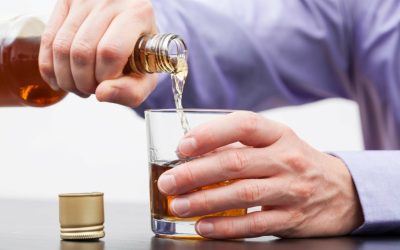
Quercetin is a plant pigment that has been shown to cause sneezing in some people.
Why Do I Sneeze While Drinking Wine?
Additionally, adding foods with anti-inflammatory properties to your diet can help reduce any irritation caused by red wine consumption. It is important to be aware of any symptoms you may experience after consuming alcohol. While it can sometimes be harmless, there are times when the underlying cause could be more serious. In particular, if you have developed an intolerance or allergy to wine, then this could lead to more severe reactions such as anaphylaxis.
Four Key Biological Triggers
Histamines are chemicals your body produces during an heroin addiction allergic reaction. Additionally, certain types of alcohol can trigger a reaction to wheat, grapes, or other allergens they contain. In conclusion, if you find yourself sneezing when you drink alcohol, know that you are not alone.
Why Do Some People Sneeze After Drinking Alcohol Nasal Reflex Explained
Understanding the difference can save you from unnecessary worry or misdiagnosis. Sneezing is a protective brainstem-mediated reflex designed to expel irritants from the nasal passages. But contrary to popular belief, it doesn’t require direct nasal stimulation. The trigeminal nerve—the largest cranial nerve—serves both the face and oral cavity, including the palate, gums, and upper esophagus. Those who notice an increase in their asthma symptoms after drinking alcoholic beverages, especially wine, might be reacting to potassium metabisulfite, a common preservative. With careful observation, targeted support like DAO enzymes, and informed beverage choices, most people regain comfortable, predictable enjoyment of alcohol—without the reflexive tissue grab.
Recognizing this distinction is crucial for differentiating between benign and withdrawal-induced symptoms, ensuring appropriate care for those in recovery. You will have the option to discuss your results with an independent physician at no extra cost. Get comprehensive information on hundreds of whole allergens and allergen components. In some, it lessens with consistent gut health support (probiotics like L. rhamnosus, zinc, vitamin B6) and reduced inflammatory burden. Rarely, it progresses—especially with untreated GERD or chronic sinusitis—making professional evaluation worthwhile if frequency or severity increases markedly over 6–12 months. Below is a step-by-step guide to identify your personal trigger profile and reduce or eliminate sneezing episodes.
Is it safe to drink alcohol while taking allergy medicine?
- It occurs when your immune system overreacts to alcohol, treating it as a harmful invader and releasing histamines.
- Or, maybe you’re sensitive to sulfites or other chemicals in alcoholic beverages, resulting in nausea or headaches.
- In contrast, alcohol intolerance is typically a metabolic issue where the body lacks the necessary enzymes to efficiently break down alcohol or its byproducts.
In some cases, the most effective solution might involve reducing alcohol intake or avoiding specific trigger beverages entirely. Alcohol increases histamine levels and expands blood vessels in the nose, which can trigger sneezing in sensitive individuals. Sneezing after alcohol isn’t trivial—it’s a tangible signal from your physiology, pointing to specific enzymatic, genetic, and mucosal vulnerabilities.
“If you are wanting to avoid alcohol, also be cautious of foods that may have alcohol added, for example in a marinade or sneezing after alcohol sauce.” If you have any of the above-mentioned symptoms after consuming alcohol, it is best to stop drinking and seek medical help if necessary. Not only can alcohol cause physical health issues such as dehydration and swelling, but it can also lead to mental health problems such as depression, anxiety, and increased risk for suicide.
The Histamine Connection: Why Alcohol Isn’t Just a Depressant
However, if sneezing persists regardless of drink type or timing, consult an allergist to rule out environmental allergies. Remember, self-diagnosis has limits; professional guidance is key for clarity. Many people experience sneezing, nasal congestion, or even a runny nose after drinking alcohol.