
The intricate dance of psychology behind gambling behaviors
The Allure of Gambling: An Emotional Roller Coaster
The world of gambling is a complex blend of excitement, anticipation, and uncertainty, which draws individuals into its grasp. At the heart of this allure is the psychology of emotion. Gamblers often experience a rush of adrenaline as they place their bets, turning each game into a thrilling event. This emotional response can overshadow rational thought, causing players to chase losses or engage in more risky behavior. Understanding these emotional triggers is essential for both gamblers and those looking to support them. Additionally, those seeking to try their luck can explore various options for entertainment through platforms such as https://casino-betpro-pk.com/app/, which cater to both beginners and seasoned players alike.
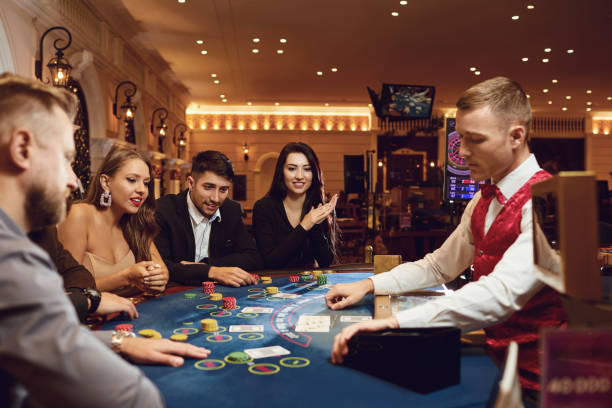
Moreover, the excitement associated with potential wins can lead to a phenomenon known as the “near-miss effect.” This occurs when players almost win, fostering a belief that they are close to a payout. Such experiences reinforce the gambler’s desire to continue playing, as they often feel that luck is just around the corner. This psychological trap can keep individuals engaged far longer than they initially intended, illustrating how emotions can significantly influence gambling behavior.
Ultimately, the emotional roller coaster that accompanies gambling creates a unique environment where psychological factors play a pivotal role. The combination of highs and lows, coupled with the unpredictability of outcomes, shapes gamblers’ experiences. Understanding these emotional dynamics can not only provide insights into gambling behaviors but also highlight the importance of responsible gambling practices for those who indulge in this form of entertainment.
Risk and Reward: The Psychology of Decision Making
The psychology of decision-making in gambling often revolves around the concepts of risk and reward. Gamblers frequently weigh potential gains against the possibility of loss, leading to unique behavioral patterns. Some individuals are risk-averse, preferring games where they can exercise control, while others thrive on high-risk situations that promise greater rewards. This divergence in preferences stems from individual psychology and can greatly influence the types of games players choose.
Cognitive biases further complicate this decision-making process. For instance, confirmation bias may lead gamblers to seek out information that supports their belief in winning strategies while ignoring evidence to the contrary. Additionally, the “illusion of control” can deceive players into thinking they can influence the outcome of games based on skill or strategy, particularly in games like poker. Understanding these biases can illuminate why some individuals persist in gambling despite losing streaks.
In the end, decision-making in gambling is a delicate dance between perceived risks and anticipated rewards. By recognizing the psychological factors at play, gamblers can become more aware of their choices and the motivations behind them. This awareness is crucial not only for individual gamblers but also for the broader gambling community to foster a healthier gaming environment.
Addiction and the Compulsion to Gamble
Gambling addiction is a significant concern that affects countless individuals and their families. The psychological aspects of gambling addiction are deeply intertwined with the brain’s reward system, where the release of dopamine during wins creates a sense of pleasure and reinforces the behavior. For some, this leads to a compulsion to gamble, as the desire to recapture that euphoric feeling can overshadow all other aspects of their lives.
Understanding the signs of gambling addiction is vital for prevention and recovery. Common indicators include preoccupation with gambling, increasing amounts of money spent, and neglecting responsibilities. As the addiction deepens, individuals may resort to deceptive behaviors, such as lying about their gambling habits or borrowing money to fund their activities. Recognizing these signs is essential for family members and friends to offer support and encourage intervention.
Treatment for gambling addiction often involves therapy and support groups, which can help individuals address the underlying psychological issues contributing to their behavior. Cognitive-behavioral therapy has shown effectiveness in changing thought patterns that lead to compulsive gambling. Understanding the psychological mechanisms behind gambling addiction is crucial for developing comprehensive support systems that facilitate recovery.
The Role of Environment in Gambling Behavior
The environment in which individuals gamble significantly influences their behavior and decisions. Factors such as the layout of a casino, the presence of other players, and even the ambiance can create a psychological atmosphere that encourages gambling. For example, brightly lit machines and the sounds of winning can instill a sense of excitement, making it easier for individuals to lose track of time and money.
Additionally, social dynamics play a crucial role in gambling behavior. People are often influenced by their peers, and the desire to fit in or impress others can lead to increased gambling. The shared experiences of winning or losing can further intensify these behaviors, as the social environment creates an added layer of emotional engagement. Understanding these social and environmental factors can help both gamblers and operators create a more responsible gaming culture.
Ultimately, recognizing the impact of environment on gambling behaviors can lead to better strategies for responsible gaming. By creating spaces that promote mindful gambling and encouraging positive social interactions, the industry can work towards minimizing harmful behaviors while enhancing the overall gambling experience for players.

Understanding the BetPro App: A Responsible Gaming Platform
The BetPro App exemplifies how technology can facilitate a responsible and engaging gambling experience. Designed for both novice and experienced players, the app provides an intuitive interface that simplifies navigation and enhances the overall user experience. With local payment options and optimized performance, BetPro allows users to enjoy betting without the complexities that often deter beginners.
Furthermore, the platform emphasizes safety and support, offering 24/7 customer service for users who may have questions or concerns. By providing educational resources on responsible gambling, the BetPro App encourages users to be mindful of their gaming habits. This proactive approach fosters a healthy relationship with gambling, emphasizing enjoyment while minimizing potential risks.
In conclusion, the BetPro App stands out as a leader in promoting responsible gaming within the online betting landscape. By prioritizing user experience and mental well-being, it offers a comprehensive solution for those looking to enjoy gambling in a controlled and entertaining manner. Understanding the psychological intricacies of gambling behaviors is essential, and platforms like BetPro aim to contribute positively to this dynamic field.