
Here’s a unique SEO blog title based on your requirements
The Psychological Thrills of Gambling
Gambling captivates millions worldwide, not just through the prospect of financial gain but also due to the intense psychological experience it offers. The thrill of uncertainty and the excitement of taking risks activate the brain’s reward centers, leading to feelings of euphoria. This psychological stimulation often explains why many individuals find gambling irresistible, despite the risks involved. Many players explore payid online casinos, drawn by the promise of excitement and potential rewards.
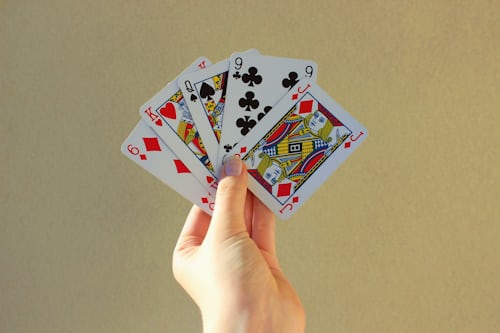
The anticipation that accompanies placing a bet triggers a dopamine release, which creates a powerful sense of pleasure. This neurochemical reaction can lead to repeated behaviors, reinforcing the connection between gambling and positive emotional experiences. Understanding these psychological dynamics can shed light on why some individuals may struggle with gambling addiction.
The Role of Cognitive Biases in Gambling
Cognitive biases play a significant role in gambling behavior, influencing how individuals perceive risks and rewards. Common biases, such as the gambler’s fallacy, lead players to believe that past outcomes affect future results. For example, someone might think that after a series of losses, a win is more likely, which can fuel reckless betting.
These biases often distort reality and can encourage gamblers to chase losses, further entrenching them in a cycle of risk-taking. Recognizing these cognitive traps is essential for anyone looking to develop a more rational approach to gambling, whether for entertainment or as a serious hobby.
Emotional Impact and Gambling Behavior
The emotional state of a gambler significantly influences their decision-making processes. People often gamble as an escape from stress, anxiety, or depression, seeking temporary relief in the form of excitement and distraction. This emotional coping mechanism can lead to increased gambling activity, especially during challenging times.
Conversely, winning can create an emotional high, leading to overconfidence and an increase in risk-taking. This complex interplay between emotions and gambling underscores the need for awareness and moderation, particularly for those prone to emotional vulnerability.
Social Influences on Gambling Habits
Gambling is not just an individual activity; it’s often a social experience that can significantly shape behavior. Friends and family can influence a person’s gambling habits, either encouraging them to participate or dissuading them from engaging in risky behaviors. Social environments, such as casinos or online gambling platforms, can also create a sense of community that enhances the overall experience.
The social aspect of gambling can make it even more appealing, as players share in the excitement and uncertainty together. However, it can also lead to peer pressure, driving individuals to gamble more than they might otherwise choose to do. Understanding these social dynamics is crucial for fostering responsible gambling habits.
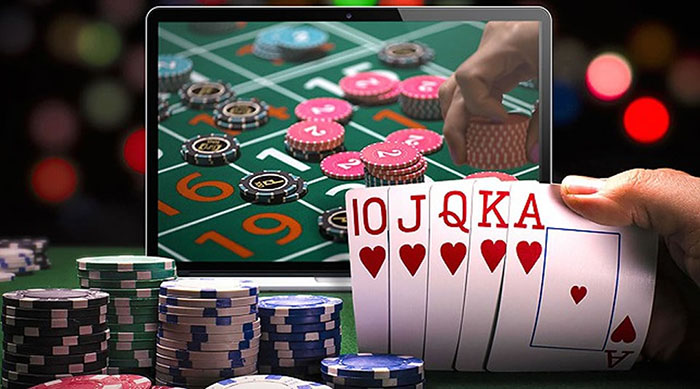
Understanding Our Website’s Commitment to Responsible Gambling
Our website is dedicated to promoting responsible gambling by providing resources and insights into the psychological aspects of gambling. We believe in empowering individuals to make informed choices, highlighting the importance of understanding the risks involved. By raising awareness about the cognitive and emotional factors at play, we aim to help individuals engage with gambling in a healthier way.
Additionally, we offer tools and support for those who may find themselves struggling with their gambling habits. By fostering a community focused on responsible play, we hope to create a safe environment where individuals can enjoy gambling as a form of entertainment without compromising their well-being.